
By Austin Gregoryk – 10/30/21
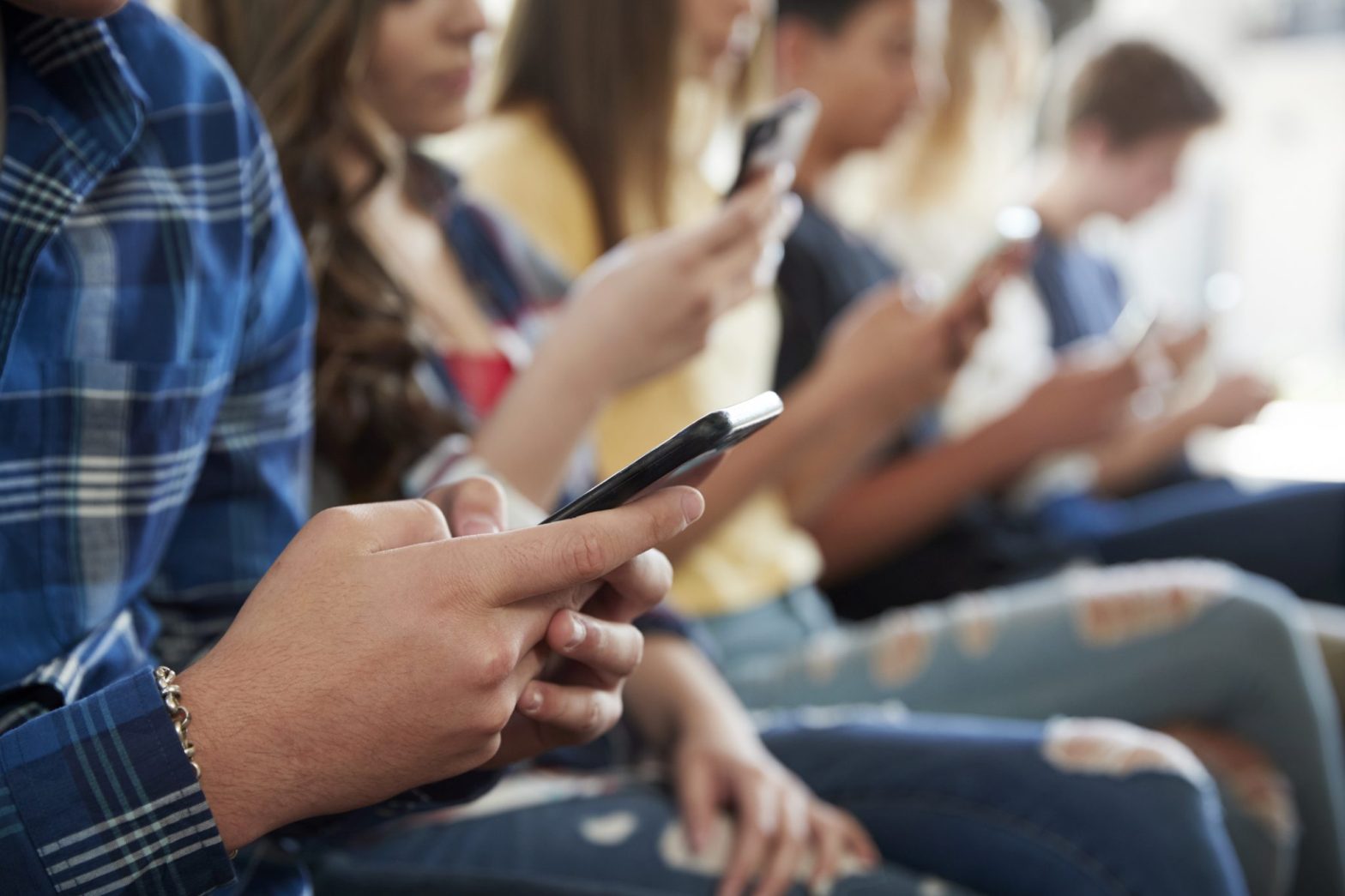
Teens and young adults are pretty much never unoccupied whenever we can pull out our phones to view TikToks, Snaps, Tweets, IG posts or even stay up past midnight watching anything in our recommended feed on YouTube. Whenever we’re not studying, working a job, driving (hopefully), or sleeping, we’re on our phones. Though even before everyone had an IG account, teens and young adults stayed busy, too, but we were probably together, interacting, face to face more often than today.
The times of the youth getting together, starting up bands in garages, seem so forever ago. Riding together to go to malls, back when all the anchor stores were still doing well financially. It may have looked pointless just loitering at the McDonalds parking lot only a couple miles from town. Back then, times spent together, wherever we may have been, were the only times we had to socialize with each other. Those days do still exist, however, one thing is for sure, we all spend more time today checking a friends feed rather than spending that time at a McDonald’s (so to speak).

Our constant social network presence does take its toll on our own social operating skills. Here is a quote from some doctor explaining to us that we’re all on our phones too much and that’s bad. Well this person is a doctor, which should mean she is pretty educated, and she says, “As a species we are very highly attuned to reading social cues.” Catherine Steiner-Adair, EdD, is a clinical psychologist and author of The Big Disconnect. She’s basically saying that it has become increasingly harder for young people to socially behave naturally under the constant stresses that disrupt our ability to interact in person. “There’s no question kids are missing out on very critical social skills. In a way, texting and online communicating—it’s not like it creates a nonverbal learning disability, but it puts everybody in a nonverbal disabled context, where body language, facial expression, and even the smallest kinds of vocal reactions are rendered invisible.” This is especially clear in younger teens, and even younger than that, if children are exposed to cell phones early on. It hampers one’s ability to understand how another may comunicate with their words, as well as their physical gestures in order to express themselves, thoughts and ideas.
Facebook has been in the news a lot lately, as recent reports came about that Facebook is well aware and even responsible in promoting body shaming and body envying, which translates into poor mental health mostly with teenage girls.

Numerous internal studies have shown how Instagram has been a massive factor in the epidemic of mental health problems among young people. In 2017, YoungMinds and the Royal Society for Public Health put out research singling out Instagram as being mostly responsible for negatively impacting young people’s mental wellbeing more than any other network.
“Being surrounded by constant images of the ‘perfect’ life and seemingly perfect bodies can also have a big impact on how you feel about your own life and appearance, and it can be really hard not to compare yourself to others,” Emma Thomas, chief executive of YoungMinds, said.
“We make body image issues worse for one in three teen girls,” stated in a slide from an internal presentation in 2019, reported by the Wall Street Journal. “Thirty-two per cent of teen girls said that when they felt bad about their bodies, Instagram made them feel worse,” a following presentation reported in March 2020.
“Teens blame Instagram for increases in the rate of anxiety and depression. This reaction was unprompted and consistent across all groups”, was stated in another slide.
With findings from several focus groups, surveys and studies in 2019 and 2020, research shows just how aware Facebook is of their products’ impact on the mental health of teenagers. However, the execs at the company have consistently downplayed the whole situation knowing full well, it has caused mental health concerns for young people.
Whenever we are bombarded with photos and videos of envious lifestyles and celebrity looks, it creates a negative response in ourselves, and how we relate them to our own lives. How we spend our time on our socials is important. However, social media isn’t all bad, as social media is just simply a tool. Though the tool is being used to exploit us as individuals, causing us to become attached to our feeds to keep us scrolling. In the process of this, it is hurting our own self esteem in ways that the older generations that hung out at McDonald’s, could have never even imagined.
Sources:
https://childmind.org/article/how-using-social-media-affects-teenagers/
 Austin Gregoryk