By Austin Gregoryk – 10/31/21
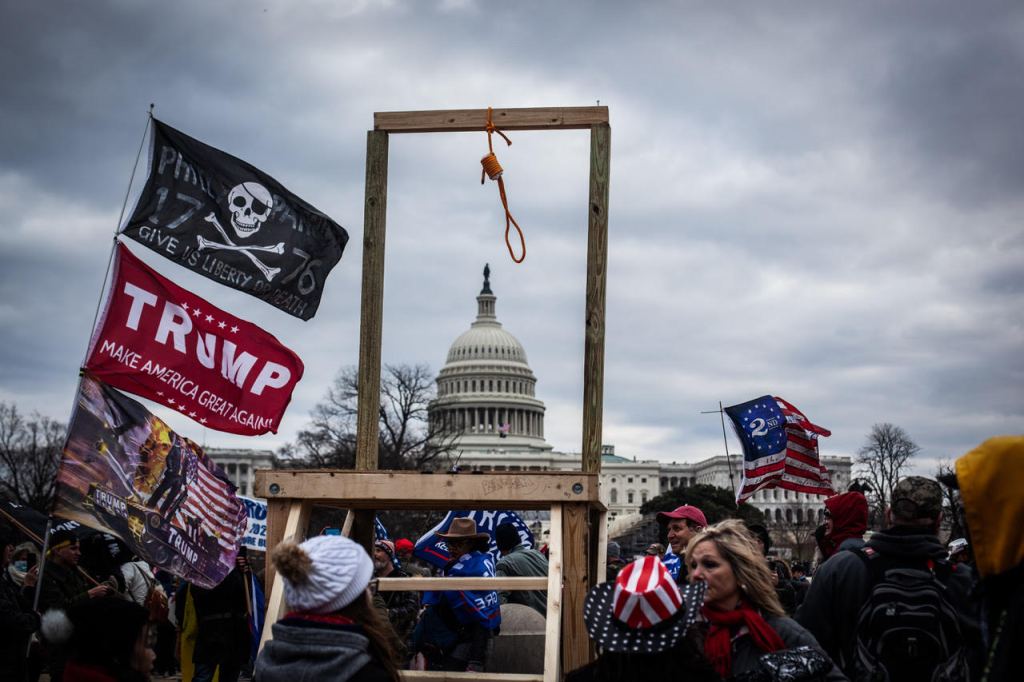
We’ve seen just how catastrophic disinformation has undoubtably affected our country. The last couple of years have really shown us what a world looks like when we involve our politics into a global pandemic, watching many firm believers of the disinformation get sick and/or die. It is all credited to some of our politicians, conspiracy organizations, people associated with far reaching, high standing media platforms, etc. January 6th, 2021 was an unforeseeable tragedy that was enacted by malicious believers of a big lie, spread by former President, Donald Trump, that our free and fair 2020 election was supposedly, “stolen”.
Not surprisingly, many people get their news online, via social media and from people familiar and unfamiliar to a user. On social media, disinformation spreads quickly. However, both misinformation and disinformation are terms that are sometimes confused with one another.
- Misinformation is false information that spreads, not dependant on the existence of intent to mislead
- Disinformation is false information, intended to mislead. An example of this is propaganda made by a government to a rivaling power or, of course, the media.
The deadly January 6th insurrection showed us all just how dangerous disinformation can be, especially when a notoriously hostile former President Trump and others in power had been seen as the the truth bearer by many of his supporters. Trump and his allies would use disinformation to mislead their followers, including the general public discrediting the election results. They continue today to consistently state that there is an overwhelming amount evidence of voter fraud in the 2020 presidential election and that President Trump had won in a landslide victory. However, after countless court challenges, ballots being recounted over and over again, finding zero evidence at all confirming these allegations of Democrats stealing the election. Funnily enough, the election was stated as being the most secure in American history by the Elections Infrastructure Government Coordinating Council & Election Infrastructure Sector Coordinating Executive Committees.
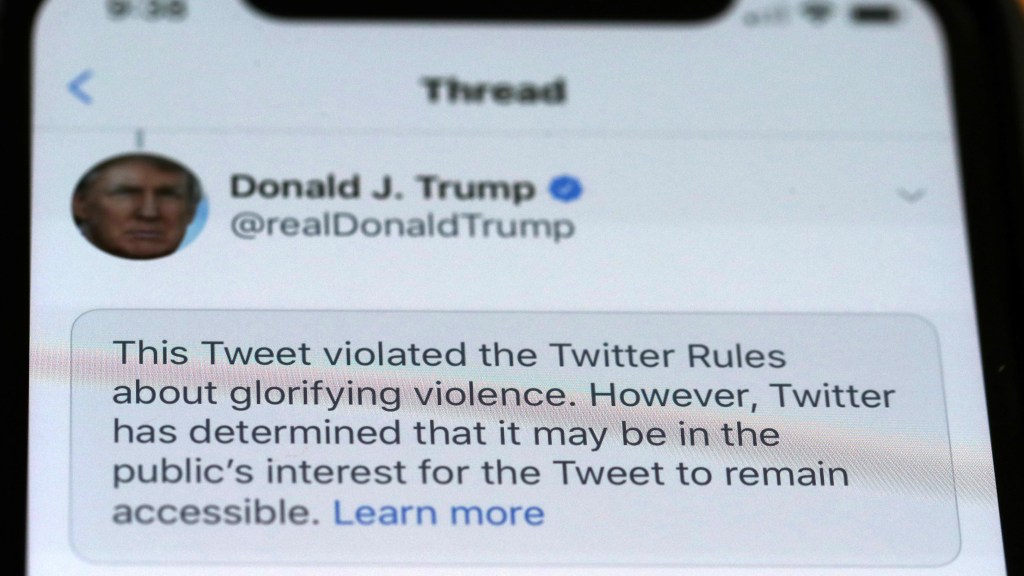
Though, due to various social media platforms, the former president and many of his supporters continue posting lies, intending to keep the disinformation train chugging on even further. As a result, more and more people are presented the lies, far more quickly than just word of mouth. Followers, supporters and users just scrolling on their everyday Twitter feed don’t necessarily know what they read is untrue and are also not media literate enough to understand its intent to mislead. Users now share with others the same info they came across, which in turn spreads quickly.
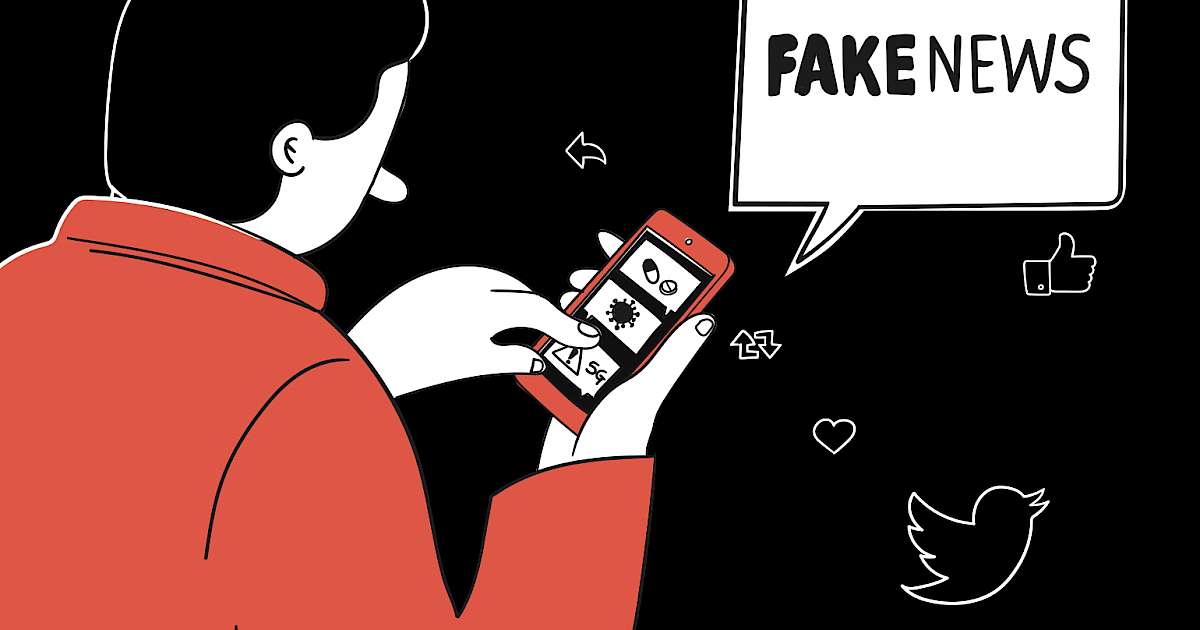
Tabloid news, satirical news and “fake news”, are all forms of false news. Fake news is a term popularized by former president Donald Trump, as it was a way to discredit any news stories that added any sort of negative lining to his presidency. Though fake news has become a heavily used term, described as untrue or fake information, intended to drive web traffic to a site. The purpose of fake news stories have two goals in mind, purposefully mislead readers and make money through advertising.
As a society, we need to understand the type of media we all consume on the web, on our socials and on any other online medium. Media literacy is a skill that takes practice, one that we may all achieve by keeping a well rounded news exposure.
Sources:
https://www.adl.org/education/resources/tools-and-strategies/the-dangers-of-disinformation
https://blog.twitter.com/en_us/topics/product/2020/updating-our-approach-to-misleading-information
 Austin Gregoryk